Each of our speakers brings a story worth hearing. They are scientists, conservationists, veterinarians, breeders, and experts who dedicate their lives to protecting parrots and their habitats.
From the most remote corners of the world to the most advanced research centres, their ideas, discoveries, and personal experiences invite us to reflect, take action, and dream of a fairer world for birds.
At this congress, their knowledge becomes a driving force for change.
Meet them here!
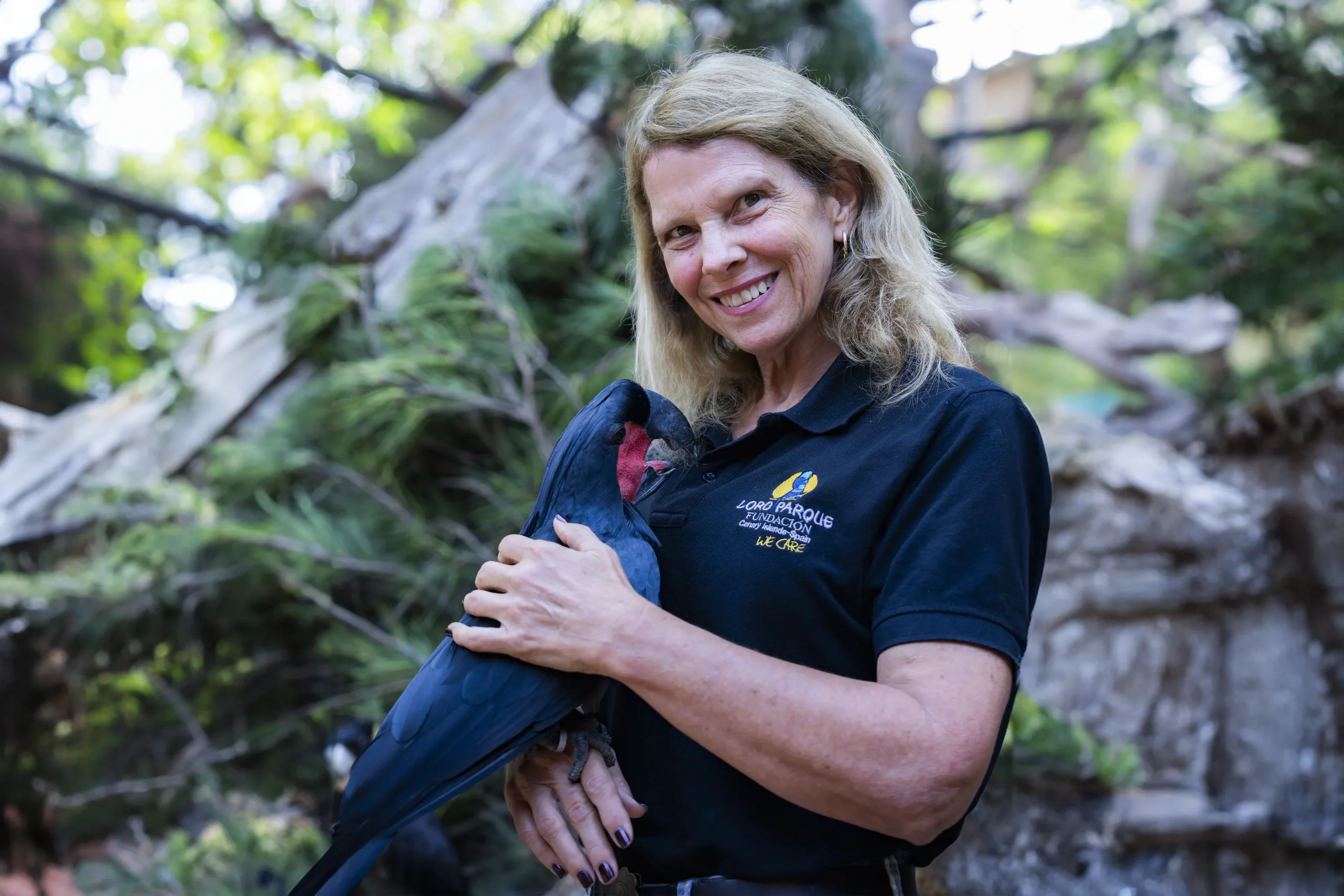
Country : Spain
Presentation : Breeding and Management of Complex Parrot Species
Biologist with a postgraduate degree in wildlife, breeding, and management, she worked for 26 years in Brazil with breeding under human care, always prioritizing research and the refinement of reproductive techniques. By managing zoos and Brazil’s leading psittacine breeding centres, she achieved excellent results that have been published in various media outlets.
For the past nine years, she has led the bird team at Loro Parque Fundación, after accepting the invitation to become bird curator at both Loro Parque and Loro Parque Fundación. There, she has been adapting and applying breeding methodologies to the current context. She believes that, beyond the importance of building a strong and unified team, the development, adaptation, and application of specific methodologies for each breeding situation and species is key to achieving successful outcomes.
She strongly believes that the union of efforts should be valued not only within the Fundación itself but also between teams from different countries and those working directly with birds in the wild—so as to obtain the best possible results for species conservation.
She is the Management Consultant for the Captive Breeding Program of the Lear’s Macaw, Anodorhynchus leari, a native and threatened Brazilian species, property of the Brazilian Government. Loro Parque Fundación has achieved indisputable breeding success with this species—not only due to its accumulated reproductive expertise but also thanks to the birth of four chicks in the Brazilian caatinga, descended from birds born and raised at Loro Parque Fundación and later transferred to Brazil.
In addition, she is part of the expert advisory group that provides technical support and participates in decision-making for the Population Management Program (PMP) of the blue macaws (Cyanopsitta spixii, Anodorhynchus hyacinthinus, Anodorhynchus leari).
Marcia Weinzettl has given lectures in various parts of the world, sharing her extensive knowledge of complex South American tropical psittacine species, as well as the breeding results obtained at the Fundación and the importance of this knowledge for species conservation.
Marcia will undoubtedly be one of the international references with whom participants will be able to exchange and receive valuable information.
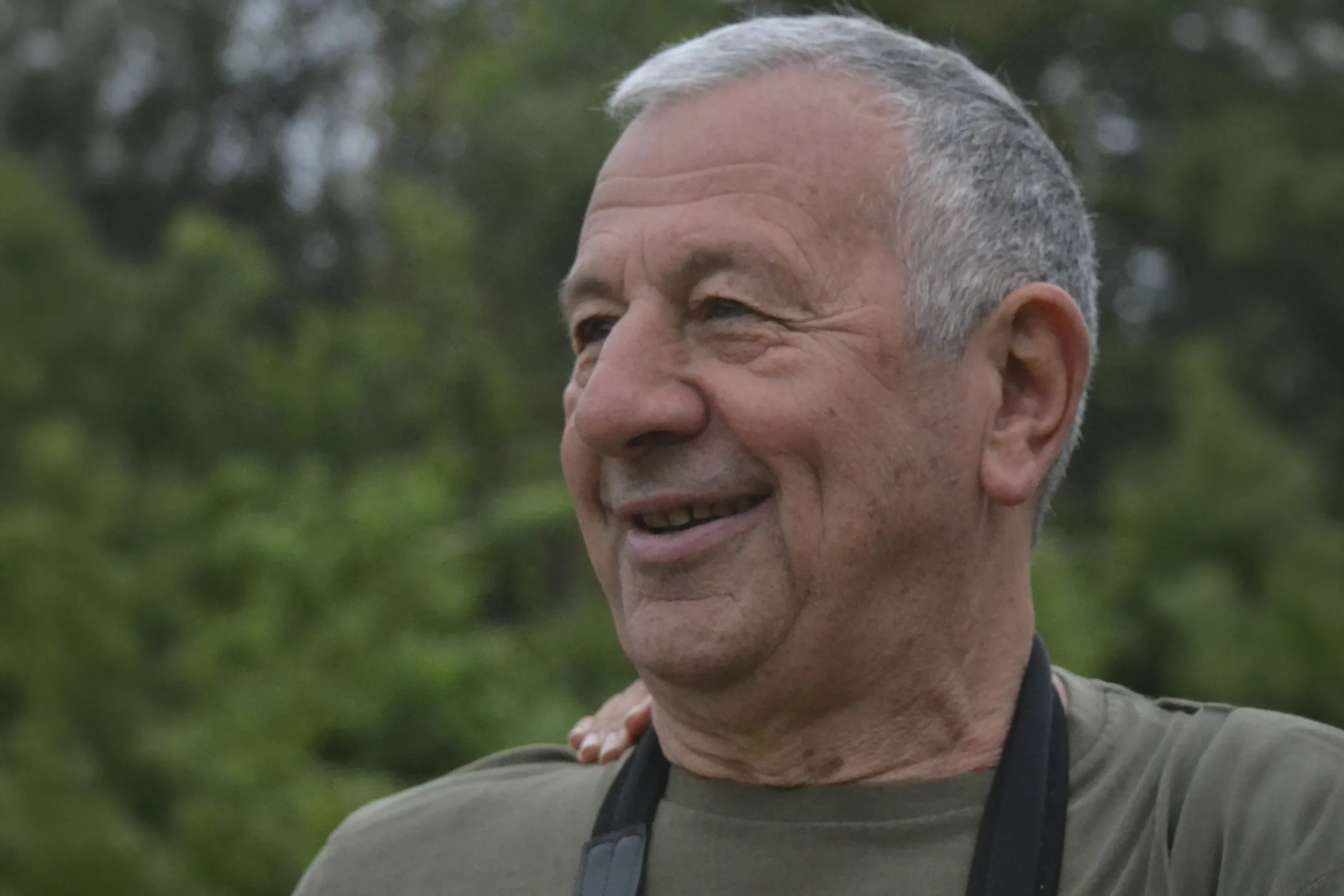
Country : France
Presentation : The commitment of a private breeders association to Parrot Conservation
He became an agrégé professor of Life and Earth Sciences in 1977 and has been retired since 2000. He has been involved in the world of parrots since 1972, working as a private breeder of dwarf macaws. Over the years, he has taken part in several field expeditions that resulted in publications on Ara rubrogenys, Ara glaucogularis and Poicephalus flavifrons between 1990 and 2005.
He served as EEP Coordinator and initiated an in situ conservation project for the Red-vented cockatoo (Cacatua haematuropygia), which he presented at the Loro Parque International Convention in 1998.
He is currently Vice-President of the Conservatoire des Oiseaux Exotiques (CDE), where he oversees both in situ and ex situ conservation programmes focusing on Amazona lilacina, Ara ambiguus guayaquilensis, Ara glaucogularis, Cyanoramphus saisseti, Lathamus discolor, Eunymphicus cornutus and E. uvaeensis.
Country: Germany
Presentation: Modern Reproductive Technologies in Species Conservation
Prof. Dr med vet, DZooMed, DipECZM, DipECPVS
Michael Lierz graduated in Hanover, Germany and earned his doctorate title by thesis from the Free University of Berlin, Germany working on diseases and rehabilitation of raptors. After being 4 years the director of the Abu Dhabi Falcon Research Hospital in the United Arab Emirates he returned to the Free University of Berlin in 2001, working as a scientific assistant. In 2009 he moved to the University of Giessen as the director of the Clinic for Birds, Reptiles, Amphibians and Fish. He holds the European Diplomate status of the European College of Zoological Medicine (Wildlife Population Health), the European College of Poultry Veterinary Science, and the RCVS Diplomate status in Zoological Medicine (avian). In Germany he holds the specialist status in Poultry- and Avian Medicine, in Zoo- and Wildlife Medicine, in Microbiology, and in Species Conservation. His maim field of research is assisted reproduction in birds, novel infectious diseases and wildlife conservation. He authored more than 200 peer-reviewed publications, 41 book chapters and is editor of 2 scientific books.
Michael Lierz leads the Clinic for Birds, Reptiles, Amphibians and Fish, Giessen, Germany. He is Diplomate of the ECZM (Wildlife Population Health), the ECPVS, and the RCVS in ZooMed (avian). He holds the specialist status in Poultry- and Avian Medicine, in Zoo- and Wildlife Medicine, in Microbiology, and Species Conservation.

Country : Austria
Presentation : A science-base parrot welfare assessment tool
Jean-Loup Rault is a Professor of Animal Welfare Science at the University of Veterinary Medicine in Vienna, Austria. He has 20 years of experience working on animal welfare, with recent work on parrot welfare specifically.
He grew up keeping and breeding parakeets and parrots and attended the 6th International Parrot Convention in Tenerife back in 2006. He has a PhD in Animal Behavior and Well-Being from Purdue University (USA) and has become an internationally recognized scientist in the field of animal welfare science (Profile), having published more than 120 peer-reviewed scientific articles on the topic, particularly on animal social interactions and human-animal relationships.
Given his passion for parrots, he published an innovative study on assessing parrot welfare from social media videos (Study). This was followed by a series of studies led by PhD student Andrea Piseddu and in collaboration with parrot veterinary expert Dr. Yvonne van Zeeland (Utrecht University) to develop a parrot welfare assessment tool, based on science and with the help of international parrot experts. For this project, the team screened the scientific literature to identify indicators of parrot welfare (Study), involved parrot experts internationally to assess the validity and practicality of the proposed indicators (Study), and ultimately established a list of the most important parrot welfare indicators as a science-based parrot welfare assessment tool (paper in preparation). This tool can be used in practice by parrot owners, caretakers, veterinarians, behavioural consultants or anyone interested in assessing the welfare of their parrots, monitoring it over time, or identifying possible room for improvement.

Country : Denmark
Presentation : A Veterinarian’s Perspective on the Breeding of Guarouba guarouba
Bjarne Østergård Rasmussen (DVM) is a Danish veterinary surgeon and lifelong aviculturist with more than four decades of experience in the care and breeding of companion and exotic birds. He earned his Master of Veterinary Science from the Danish Veterinary University in Copenhagen in 1982 and has practised continuously ever since, specialising in avian medicine, exotic species and other small animals.
Rasmussen is the proprietor of Hårlev Dyreklinik and has long been a recognised local veterinary figure in Stevns Municipality, where he has also been active in community and municipal affairs.
An avid breeder since youth, Rasmussen has worked with a wide variety of parrot species — historically keeping African Greys and several cockatoo taxa — and for the past two decades has focussed on the successful breeding and distribution of Guarouba guarouba to private collections and institutions in several countries. His name appears in Danish aviculture breeder indexes, reflecting long-term involvement in organised birdkeeping.
He is a lifetime member of Loro Parque Fundación and a frequent attendee of the International Parrot Conventions held in Tenerife, connecting with the global conservation and aviculture community. Public social posts and convention material referencing him confirm his long-standing links with Loro Parque and its events.
Throughout his career Rasmussen has combined clinical practice with hands-on husbandry and breeding work, bringing veterinary rigour to aviary management and reinforcing the bridge between clinical avian medicine and ex-situ conservation breeding.
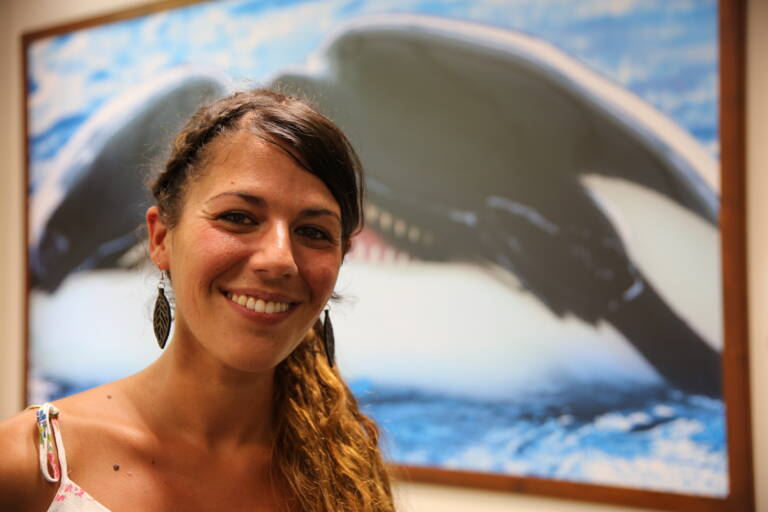
Country : Spain
Presentation : Environmental Enrichment = Animal Welfare
With a degree in Biology specialising in Zoology, a Master’s in Ethology with a specialisation in Primatology, and a PhD in Psychology, she has devoted her research career to understanding animal behaviour from an evolutionary and comparative perspective. Her doctoral thesis, entitled “Personality, Wellbeing and Mental Disorders in Chimpanzees and Orcas: An Evolutionary and Comparative Perspective”, led to pioneering and high-impact scientific contributions, including the first diagnosis of the repertoire of mental disorders in a non-human species (chimpanzees) and the first assessment of personality structure in a cetacean (orcas).
Her research has focused on the qualitative analysis of animal personality, the study of its correlations with wellbeing and cognitive indicators, as well as the design of innovative tools for assessing animal welfare. She has conducted research primarily with chimpanzees, but also with orcas and Iberian lynxes.
In the academic sphere, she has lectured at several Spanish universities, teaching subjects related to primatology, animal personality, mental disorders in animals, and qualitative methodologies for studying animal behaviour. She currently teaches on a Master’s Degree in Primatology, actively contributing to the training of new researchers in the field of animal behaviour.
At present, she serves as Animal Welfare Coordinator at Loro Parque, where, among other responsibilities, she oversees the systematic observation of animal behaviour, staff training in best husbandry practices, and the management of documentation and regulations in relation to professional associations, audits, and inspections. However, one of the department’s main areas of work is the design and implementation of environmental enrichment programmes for all animals at Loro Parque. This aspect is particularly significant in the case of psittacines, not only because of the large number and diversity of individuals housed in the park, but also due to the high cognitive abilities, complex social lives, and constant need for stimulation exhibited by many of these species. These factors require highly specialised enrichment strategies to ensure their wellbeing in controlled environments.
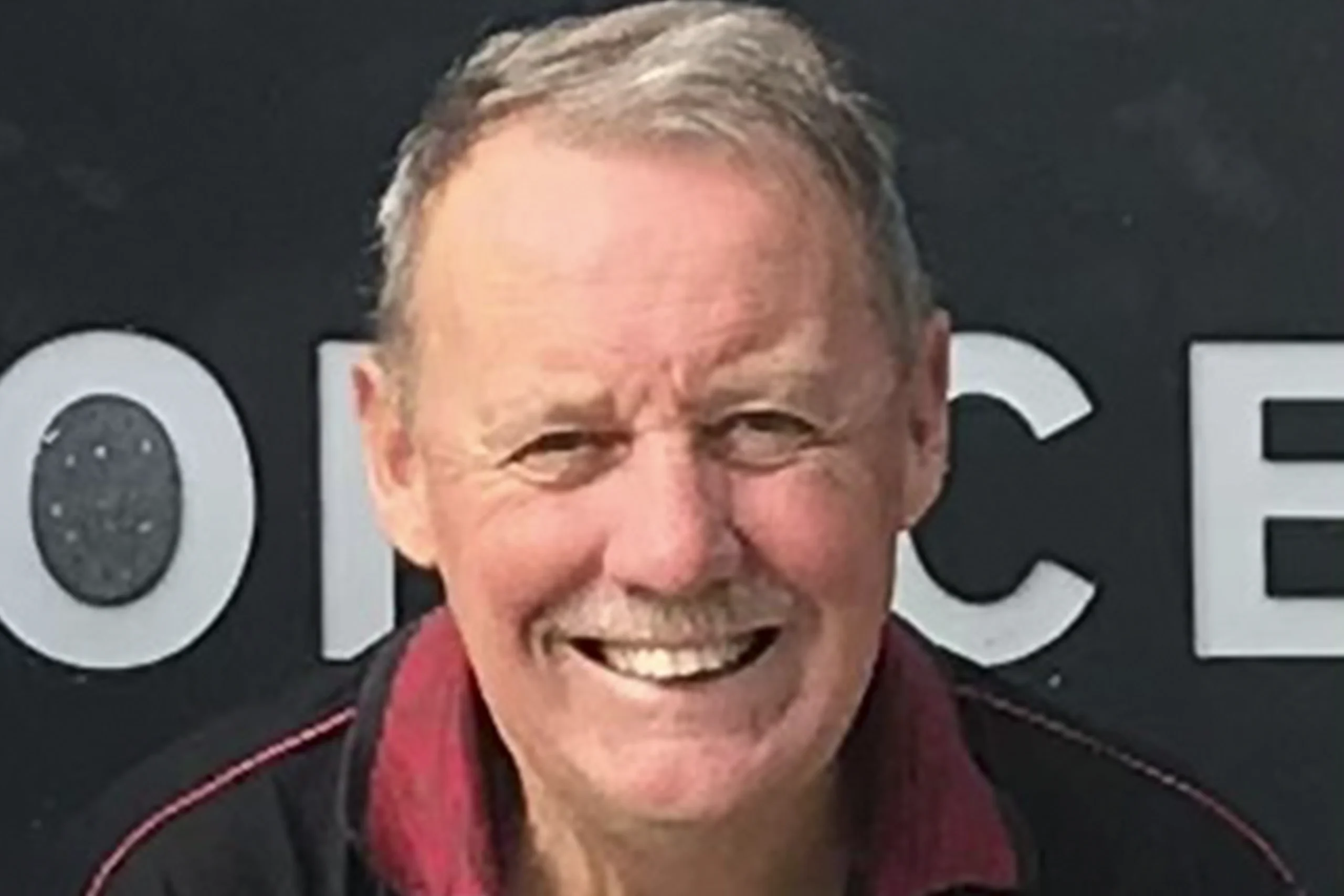
Country : Australia
Presentation : The history and research of the Night Parrot biodiversity in Western Australian
For the past 25 years, Neil has worked with Western Australia’s Department of Biodiversity, Conservation and Attractions as a Senior Technical Officer, contributing to research on native fauna and feral predator management. He founded Ghost Bird Consultancy in 2018, leading biodiversity surveys and remote field projects across Western Australia.
Neil is best known for his ongoing work on the critically endangered Night Parrot, contributing to key discoveries including the first Night Parrot caught and radio-tracked in Western Australia in its 163 years. He collaborates closely with Curtin University, DBCA, Indigenous ranger groups, and a wide volunteer network to advance research, monitoring, and conservation of this elusive species.
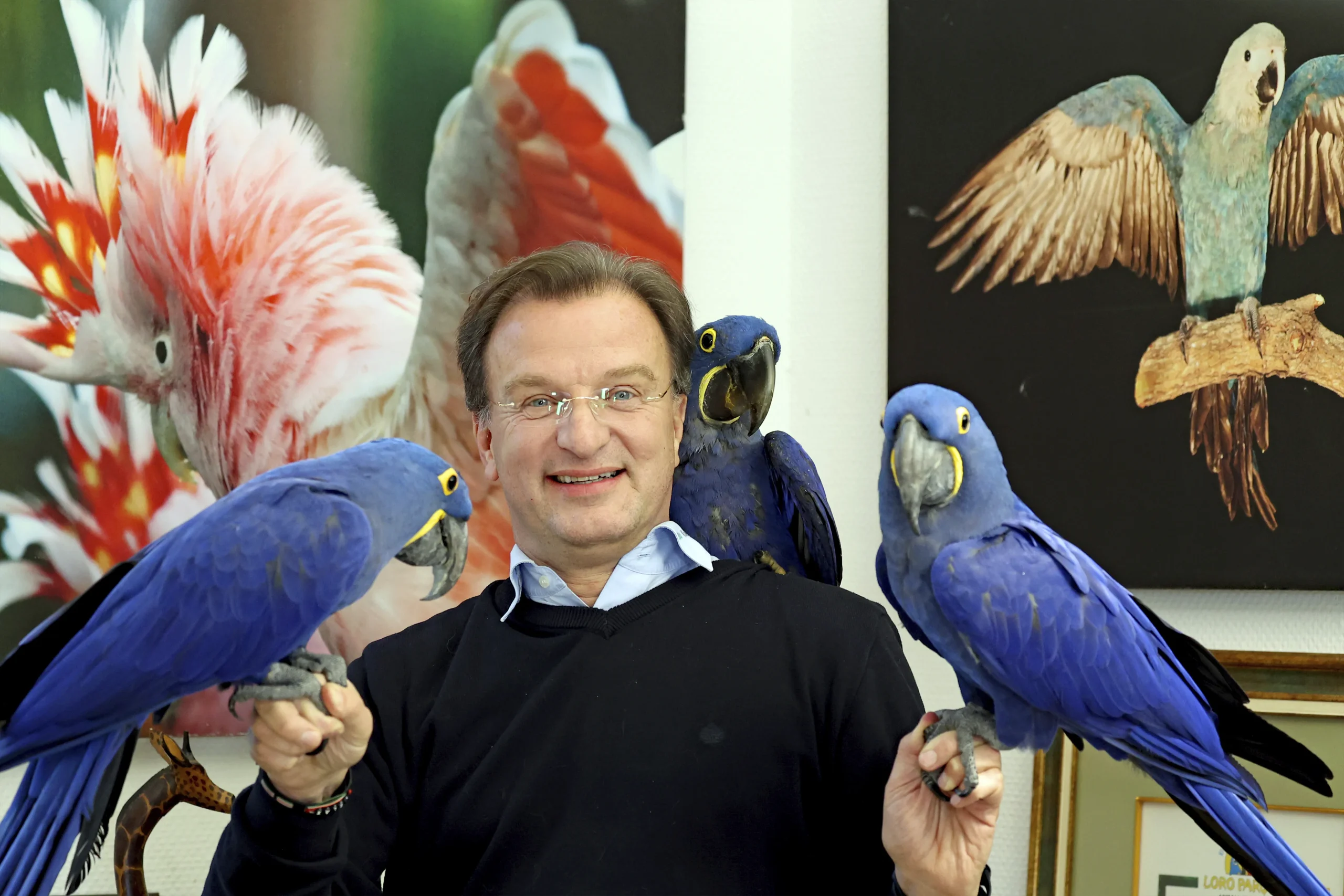
Country : Germany
Presentation: Enrich the life of your Parrots.
Prof. Dr Matthias Reinschmidt (born 28 May 1964)
He has been involved with parrots since the age of eight. It all began with a pair of budgerigars, from which he developed a thriving breeding collection. Larger parakeet species and large parrots soon followed. Even before beginning his biology studies at the University of Tübingen (from 1986), he completed a six-month internship at Karlsruhe Zoo. This experience reinforced a wish he had had since the age of six: to become a zoo director. He completed his diploma thesis at Karlsruhe Zoo (1992) on the Tucumán Amazon (Amazona tucumana), and later his doctoral thesis at Loro Parque in Tenerife on the Major Mitchell’s cockatoo (Cacatua leadbeateri). Since 2022, he has been an Honorary Professor at KIT in Karlsruhe, focusing on biodiversity and species conservation.
Between 1993 and 2001 he worked as an editor for the magazine PAPAGEIEN (Parrots) at Arndt-Verlag in Bretten, Germany. At Loro Parque in Tenerife, Spain, he worked from 2001 onwards, first as Curator and from 2010 as Zoological Director. In July 2015 he became Director of Karlsruhe Zoo, where he has made species conservation the guiding principle of his work. The zoo’s diverse bird collection includes almost 30 different parrot species within a total of 140 bird species (345 animal species in total). Since 2016 he has been Chairman of the Karlsruhe Zoo Conservation Foundation and, since 2018, President of the Bird Lovers Association Achern e.V.
To this day he has published countless articles in specialist magazines on parrots, as well as ten books on the subject, and has taken part in more than 500 TV productions. He now regularly travels with German TV legend Frank Elstner to document endangered animal species around the world. Together, they have produced thirteen 90-minute conservation documentaries for German television (SWR) to date.

Country : EE.UU
Presentation : Wiederherstellung und Schutz des Puerto-Rico-Papageis (Amazona vittata) nach dem Hurrikan im El Yunque Nationalwald”
Wildlife Biologist
United States Fish and Wildlife Service – Puerto Rican Parrot Recovery Program
Thomas (Tom) White is originally from western Tennessee, USA and holds a BS degree in Natural Resources Management from the University of Tennessee at Martin (1984), a MS degree in Wildlife Management from Louisiana State University (1986), and a PhD in Wildlife Ecology (Sociology minor) from Mississippi State University (1996).
From 1986 to 1992, Tom worked as an undercover agent in the Covert Operations Unit of the Tennessee Wildlife Resources Agency, infiltrating and prosecuting organized groups of illegal poachers and wildlife traffickers throughout Tennessee and the southeastern USA. During this time, he successfully prosecuted over 100 individuals on a variety of state and Federal charges.
Since earning his PhD in 1996, Tom has been living and working in the Caribbean, where he is involved with the conservation of endangered Neotropical parrots. His first work with parrots was leading a 3-year experimental captive release project with Hispaniolan parrots in the Dominican Republic, and since 1999 he has been responsible for the United States Fish and Wildlife Service’s reintroduction efforts for, and management of, the critically-endangered Puerto Rican parrot in the montane rainforests of the El Yunque National Forest. Tom has also served in the field as a volunteer or technical advisor for several parrot conservation and research projects in the Bahamas, Dominican Republic, Nicaragua, Chile, Brazil, New Zealand, and Texas, USA. He is also a member of the Reintroduction Advisory Group for the Spix’s macaw reintroduction program in Brazil. Tom has also served on US Department of the Interior technical assistance program projects for wildlife and biodiversity conservation in the Dominican Republic, Panama, Honduras, Guatemala, El Salvador, and Papua New Guinea. During the past 30 years, Tom has authored or co-authored over 35 peer-reviewed journal articles and book chapters derived from his research efforts.

Country : Spain
Presentation : Nutrition Concepts in Psittacines – Ex-situ and In-situ Implications
Scientific Director
Ex–situ & in-situ Projects
Loro Parque Fundation
E-mail: loros@loroparque-fundacion.org
An expert in the management and breeding of animals under human care, Rafael Zamora has successfully bred a wide variety of species. This hands-on experience laid the foundation for his extensive expertise in the field. His training began with direct work involving a diverse range of animals, from native and European to exotic wild and domestic species. While studying biology, he established his own bird breeding facility, maintaining an average of over 500 specimens annually, including reptiles and small mammals. This practical experience paved the way for a research fellowship in 1998, as part of a collaboration between the University of La Laguna and Loro Parque Fundación. Over several years, he studied the reproductive behaviour of the Spix’s macaw, which later enabled him to join the expert team at Loro Parque and its Foundation, where he played a key role in the successful breeding of this species extinct in the wild.
Throughout his career, Zamora specialized in zoology and works as an ornithologist and curator at the Loro Parque Fundación. In this capacity, he has advised numerous international projects focused on the breeding and reintroduction of endangered species.
Recognized as a distinguished international speaker, he has delivered presentations at prestigious institutions across Europe, Central and South America, Asia, and Oceania. He is the author of several scripts for nature documentaries and regularly participates in environmental interviews and panel discussions on radio and television. Additionally, he frequently publishes specialized articles on psittacines and contributes to both scientific and popular publications on advanced husbandry, breeding, and conservation topics worldwide.
His profound knowledge of birds in both wild and controlled environments provides a powerful tool for conservation. This holistic perspective shapes his work at Loro Parque Fundación, where he currently serves as Scientific Director, overseeing the effective integration of the institution’s ex situ and in situ conservation projects.
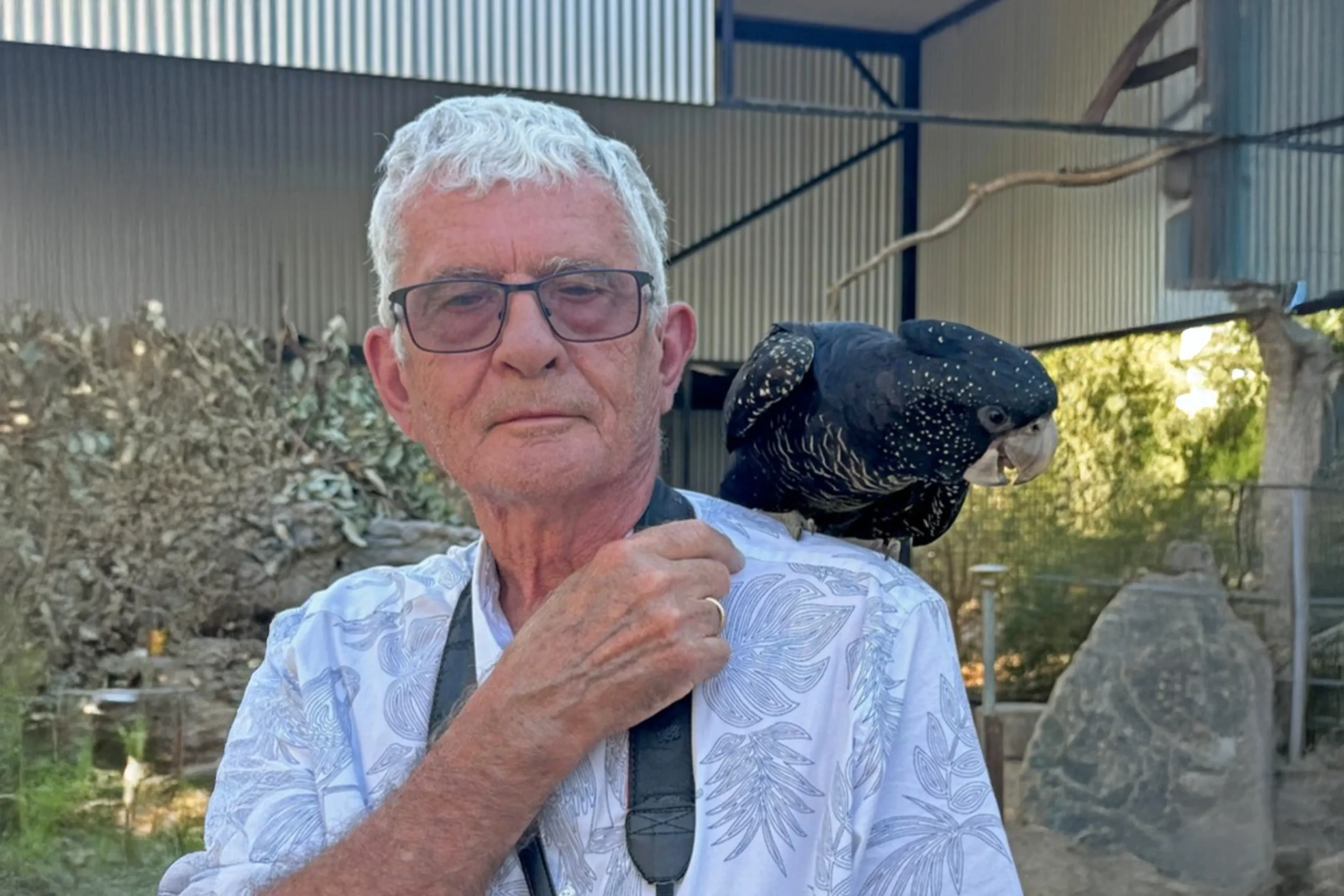
Country : United kingdom
Presentation : Changes in parrot veterinary medicine and surgery over fifty years
Inspired by a lifelong passion for birds, nurtured by his paternal grandfather, Alan dedicated extra time and care to avian patients during an era when veterinary education and expertise in avian medicine were scarce. Drawing on knowledge from general veterinary and human medicine, he applied medications and surgical techniques with varying success. His growing reputation for avian care attracted patients from an increasingly wide geographic area.
Alan was engaged by a South American parrot importer to oversee quarantine procedures in the UK and later to perform endoscopic sexing of birds—an emerging technology at the time. After acquiring his own endoscope, this specialized work expanded rapidly, including extensive travel to bird collections across the UK and Europe. In 1985, he established a solo veterinary practice in West Sussex, where he worked until his retirement in 2016, focusing primarily on avian patients in southeastern England. His practice included inspections of quarantine facilities and bird collections encompassing raptors, poultry, passerines, waterfowl, and especially parrots, both in breeding collections and as companion animals.
He joined the Parrot Society UK (PSUK) in 1987 and served fourteen years as its Chairman. He remains a trustee and Life Member of the charity, which supports several international conservation projects through its dedicated fund. That same year, membership in the Association of Avian Veterinarians (AAV) led to three years on its Board of Directors and a term chairing the European Committee. Regularly speaking at AAV conferences in Europe and the United States, he has become a respected voice in the field.
Contributions to numerous bird-keeping publications include co-authoring the veterinary textbook Avian Medicine II (2009). He also contributed to the BSAVA Manual of Avian Practice (2018) and authored Keeping Parrots: Understanding Their Care and Breeding (2011). More recently, he has been involved in developing the bird section of the online Vetlexicon.
Despite advancing years, he remains active—enjoying walks with his two dogs and tending to a large garden. His enduring passion for birds, particularly parrots, inspires ongoing reading, writing, public speaking, and participation in shows and events worldwide.
He is honoured to have been invited to present at the prestigious International Parrot Congress at Loro Parque, Tenerife, and looks forward to reconnecting with friends and colleagues from around the globe.
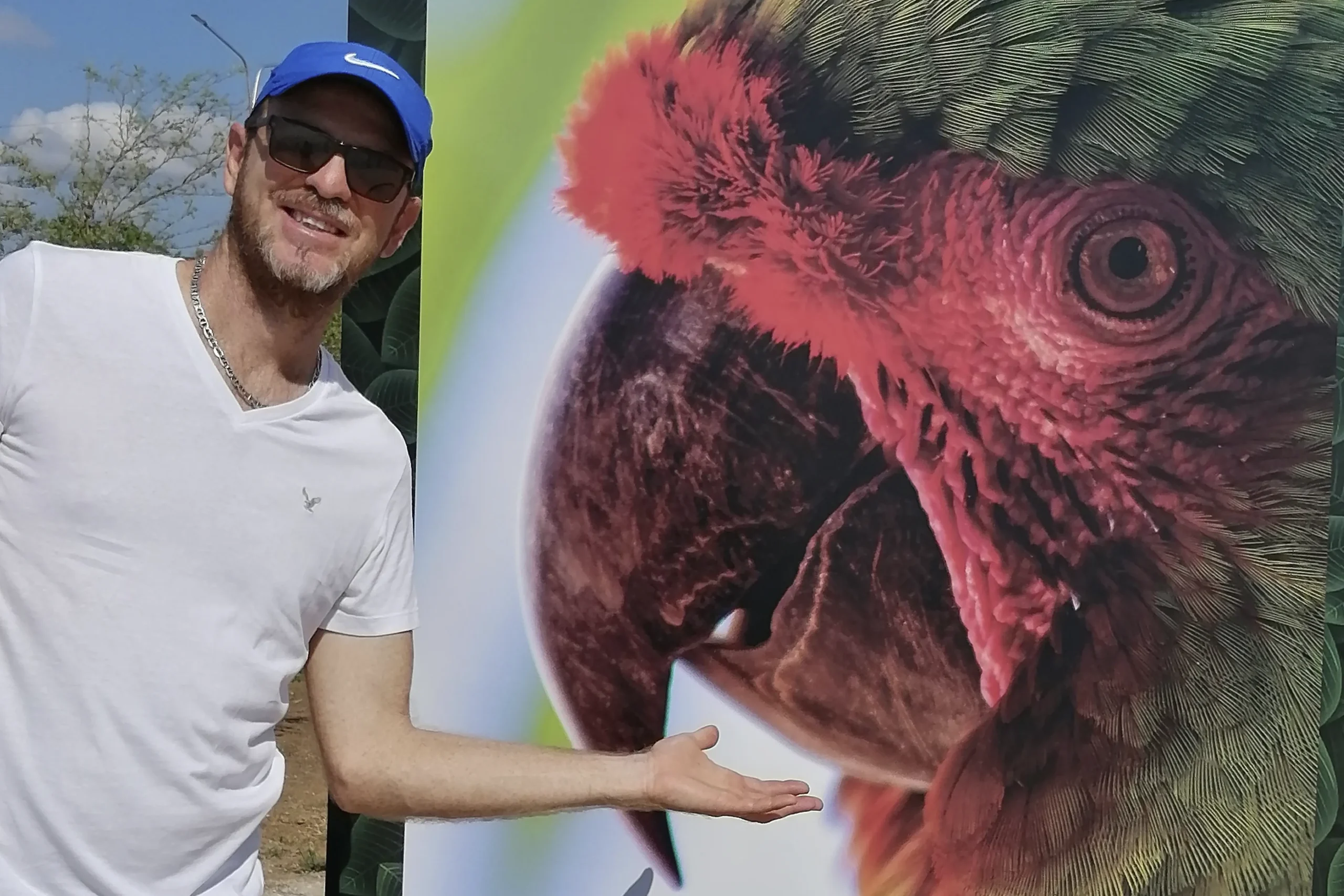
Country : Venezuela
Presentation : Project Pionopsitta pyrilla y Touit atavicus
Sandro D’Amico holds a degree in Business Administration and began breeding psittacines at a very young age. In 1998, he launched the first research project on Aratinga pertinax in Venezuela, during which he studied its feeding routes and behaviour, discovering in the field the first wild mutation of this species — an unprecedented finding at the time.
Throughout his research, he observed that within flocks there is a leader who guides the group and explores new feeding routes. He also identified a key factor for the reproductive success of the species under human care: the pertinax feed on buds and greenish fruits several weeks before consuming a plant known as “tua-tua”, a powerful natural antibiotic, bactericide, and anti-inflammatory. By doing so, they cleanse their reproductive system before egg-laying, a practice they repeat systematically year after year.
Sandro developed the mutation of this species under human care as a forward-looking protective mechanism. He was influenced and trained by the renowned psittacine breeder David Voos from Curaçao, whose work he closely followed.
During the pandemic, he initiated an observation project on Pionopsitta pyrilia and Touit batavicus in their natural environment, uncovering fascinating aspects of these species. His goal was to keep them genetically alive under human care, with a view to future conservation programmes, since until then no one had succeeded in maintaining them successfully — something that deeply concerned him.
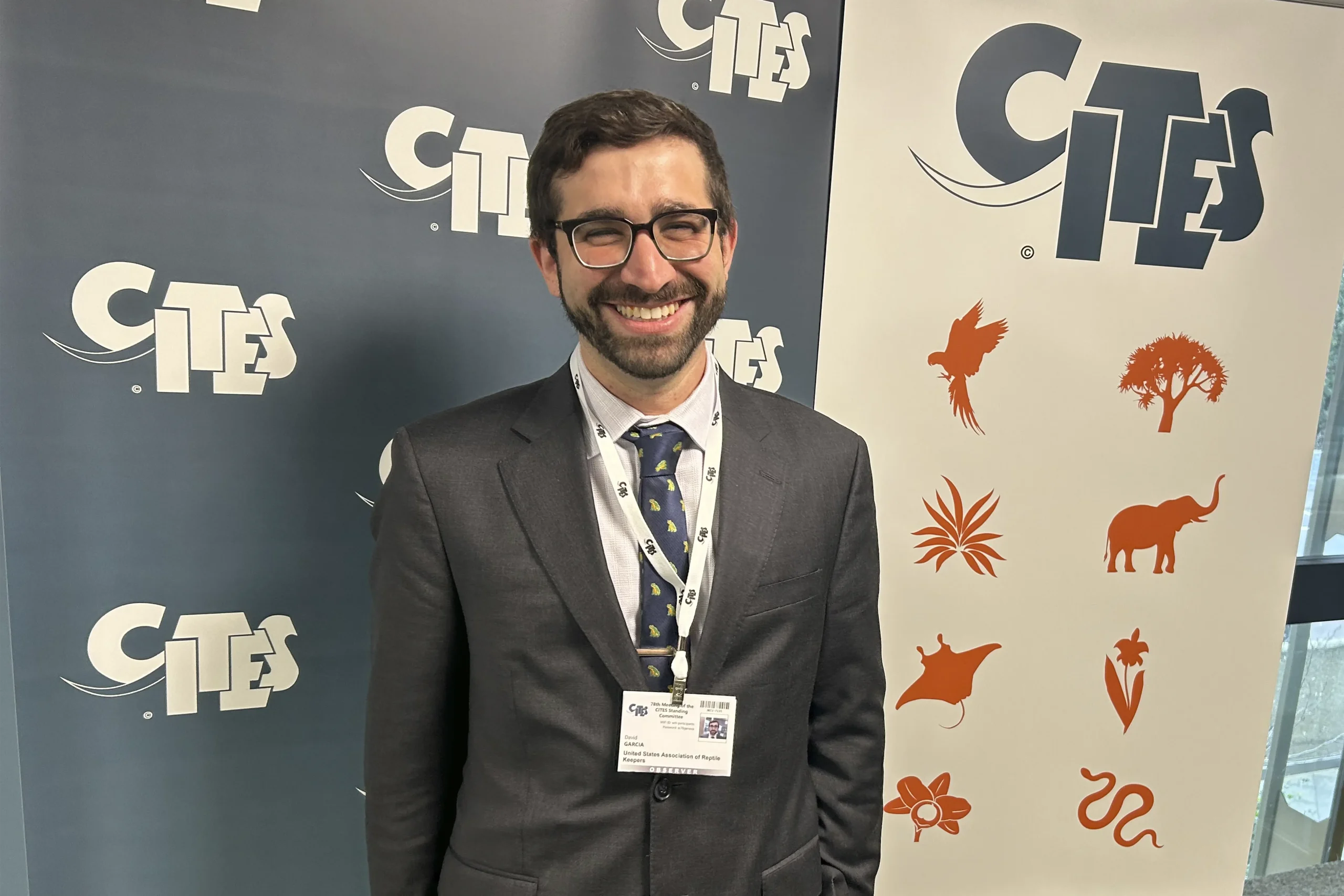
Country: EE.UU
Presentation: Understanding CITES and Building Effective Advocacy for Aviculture
David Garcia is an attorney specializing in animal, wildlife, and administrative law. He earned his Juris Doctor from Georgetown University and has been practicing law since 2018. He is licensed to practice law in the U.S. states of Florida and New Jersey.
He serves as legal counsel to the United States Association of Reptile Keepers (USARK) and as Avian Specialist Consultant to the Pet Advocacy Network (PAN), a U.S.-based trade and advocacy organization representing the responsible pet sector. Together with his law partner, Arthur Parola, David has recently established the U.S. Association of Aviculturists and the U.S. Aquarium Association to broaden representation across the pet industry. He has served as an official observer at numerous CITES meetings, including the 20th Conference of the Parties (CoP20) in Samarkand, Uzbekistan.
David works on legal and regulatory matters at the local, state, federal, and international levels, with particular experience in CITES, animal welfare regulation, and cross-border trade in animals. He worked closely with the U.S. Department of Agriculture during the development and implementation of Animal Welfare Act regulations for birds and routinely represents regulated entities before U.S. federal agencies.
In parallel with his legal practice, David operates a USDA-licensed parrot breeding facility in the United States, specializing in South American conures.
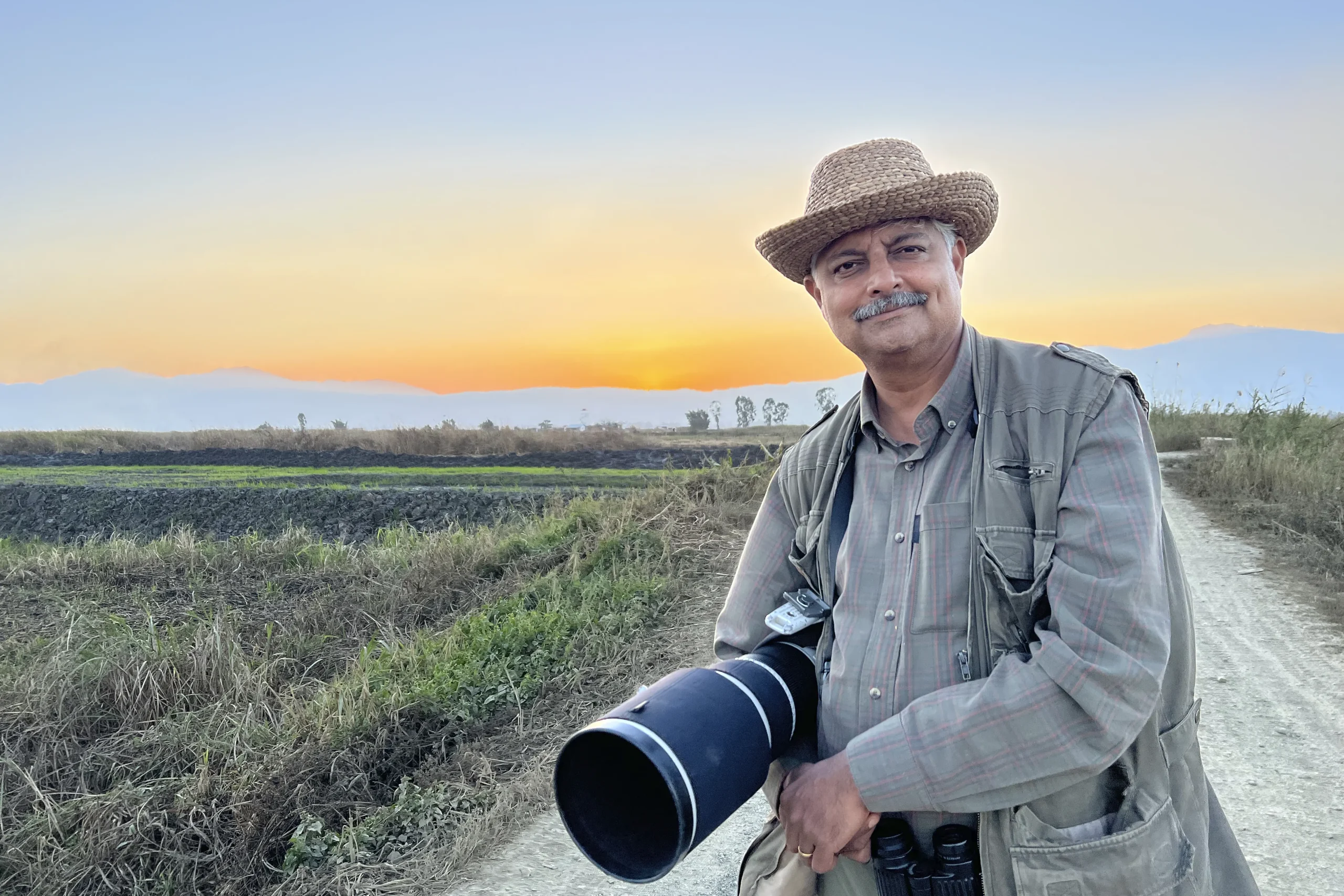
Country : India
Presentation : Conserving life-one Species at a time. Role of IUCN in conserving Life on Earth
Vivek Menon is an India wildlife conservationist, environmental commentator, author and photographer with a passion for elephants and birds. He has been part of the founding of five environmental & nature conservation organizations in India. The winner of the 2001 Rufford Award for International Conservation, the 2018 Whitley Continuation Award and the 2019 Clark R Bavin award for his work to save the Asian elephant, Menon is the Founder and Executive Director of the Wildlife Trust of India as well as Senior Advisor to the International Fund for Animal Welfare.
In India, he plays a role in advising the government on natural heritage conservation as a part of several national committees as well as having been part of the Indian delegations to CITES, UNESCO and CMS. Internationally, Menon is the current Councillor of the IUCN, Member of the IUCN SSC and Chairperson of its Governance and Consultancy Committee (GCC) and Asian Elephant Specialist Group (AsESG). He is also the Chairperson of the Amphibian Survival Alliance Global Council and on the International Jury of the Future for Nature Awards (Netherlands). He is also the author or editor of ten wildlife books including the bestselling Indian Mammals, A Field Guide, scores of technical reports and more than 250 articles in various scientific and popular publications.
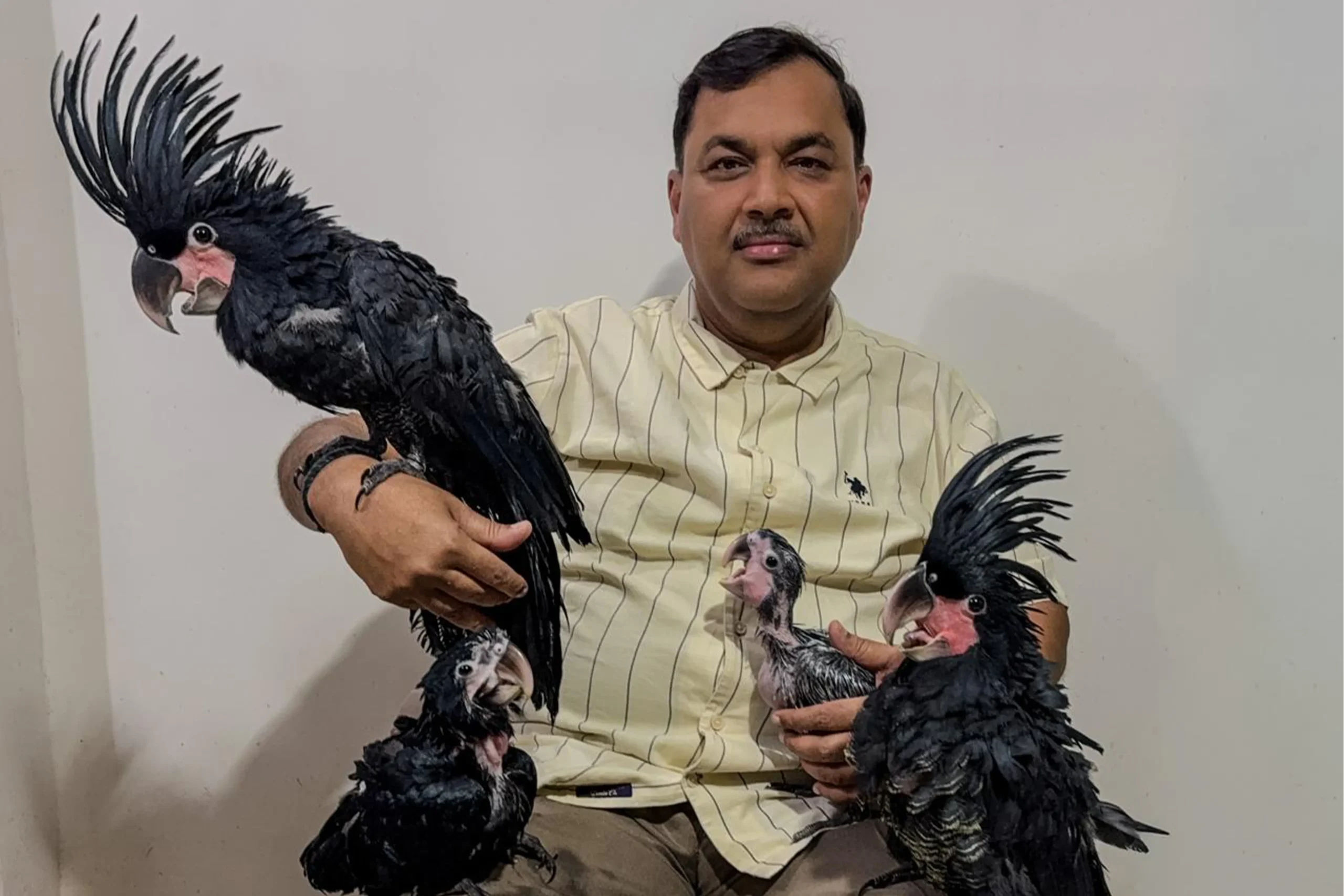
Country : India
Presentation : Programming & Decoding Avian Courtship: Strategies for Breeding Induction
A Practising Endodontist and Implantologist and a Professor of Postgraduate Dentistry, Dr. Debashis Banerjee is also involved in active Academics and Administrative Regulation of Dentistry in India. He completed his Graduation and Post Graduation in Conservative Dentistry and Endodontics from Asia’s oldest and prestigious Dental Institution – Dr. R. Ahmed Dental College And Hospital, in the year 2001. He balances and juggles his professional career concurrently with the love and passion of his life — AVICULTURE.
Along with his wife and two children he runs Sunshine BirdWorld Avian Breeding & Research Centre, his passionate dream child. Sunshine BirdWorld is an Exotic Bird farm and Research Centre located on more than 5 acres of land near Kolkata in India. Dr. Banerjee was uncannily attracted to nature and various life forms from a very early age and kept numerous pets from insects to lizards, fish, birds, mice, guinea pigs, rabbits and other animals since early childhood.
His introduction to Exotic Aviculture came about when he started keeping Budgerigars in 1990. From then on there was no looking back and today Sunshine BirdWorld is responsibly caring for a formidable breeding collection ranging from Finches, Grass Parakeets, Australian broad tailed Parakeets , a wide variety of Conures, multitudes of Quaker Mutations, various sub-species of Eclectus Parrots, Caiques, African Grey Parrots, Pionus Parrots, Cockatoos, a variety of small and large Macaws including Hyacinth Macaws and also a vast collection of Lories and Lorikeets as well as various softbill species like Toucans, Turacos, Aracaris and Starlings.
At Sunshine BirdWorld, the focus is on developing optimal management protocols that support long-term health, well-being, and successful, active breeding of exotic birds and small primates.
Dr Debashis Banerjee is a consultant and advisor to multiple Zoological Gardens, Governmental Projects and Private Bird Parks all over India. He has toured extensively over Europe, South – East Asia and Australia, visiting countless avicultural setups, Bird Parks and Bird Farms to gain experience and exposure to different avicultural management methods used at different places. He plans to continue on his worldwide tours in his quest for avicultural knowledge and exposure.
His focus today and for the future remains on popularising and promoting Aviculture worldwide, as he strongly that responsible breeding under human care by dedicated aviculturists is one of the primary means of Active Conservation of Birds.
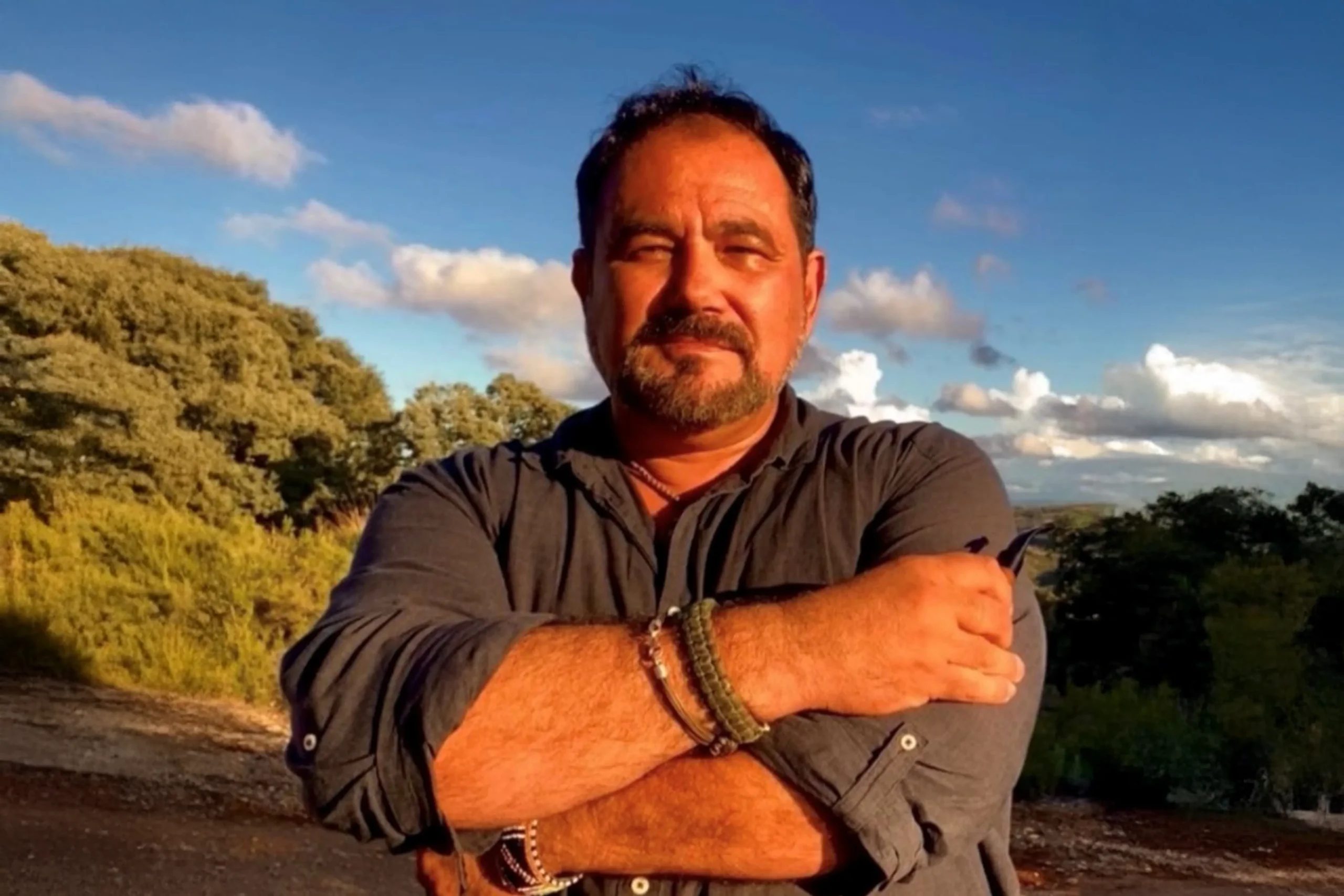
Country : Spain
Presentation : Breeding under Human Care versus Non-Scientific Ideologies
Álex Lachhein is a naturalist, writer, newspaper columnist, and environmental communicator, known for his participation in radio programmes such as CPN (Intereconomía Radio), Con el Alba (esRadio), La Inmensa Minoría, La Redacción Abierta, Más se perdió en Cuba or El Gato al Agua (El Toro TV), Con otra Mirada (7NN TV), as well as Horizonte and Cuarto Milenio (Mediaset). He is also the author of the controversial book Wuhan: Red Plague and Open Case and a member of the political analysis team on the YouTube channel Búnker Bar.
Álex N. Lachhein has worked in several zoological parks in Spain (Safari Madrid, Zoo Parque Grande, Fauna y Acción) and has taken part in numerous film and television productions as an animal trainer. Today, he stands out as one of the strongest advocates for the preservation of the rural world.
He currently serves as spokesperson and head of the Communication and Press Department at Fauna y Acción, as well as professor and instructor in training, management, and conservation of wild animals in the official courses for zoo and aquarium specialists in the Community of Madrid.
A renowned expert in conservation communication, with nearly 40 years of professional experience working with all kinds of animals, he is today one of the most outspoken and controversial voices against what he describes as the environmental illiteracy and prohibitionist tendencies of the new Eco/Vegan/Animalist (E.V.A.) movement, supported by various “woke” governments and driven by the triad of climate change discourse, political correctness, and cultural Marxism.
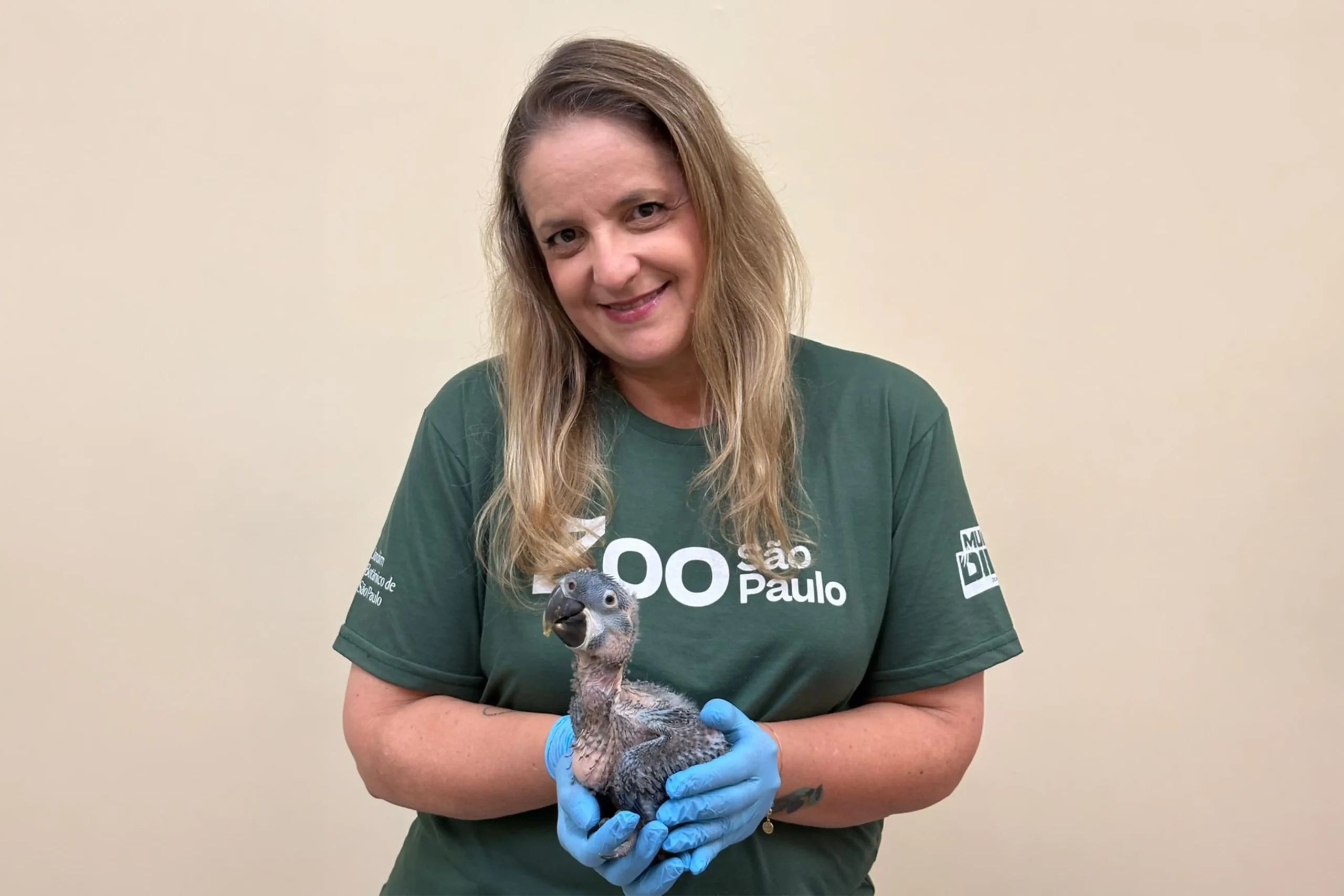
Country : Brazil
Presentation : Spix’s Macaw: Rewriting the Future of an Extinct Species
Fernanda Junqueira Vaz Guida is a biologist with a Master’s degree in Wildlife Conservation, with research focused on avian embryonic development.
She brings more than two decades of experience in the management of birds under human care, with a particular focus on advancing reproductive techniques aligned with animal welfare principles and biodiversity conservation. Since 2004, she has led the Bird Department at the Fundação Parque Zoológico de São Paulo, where she oversees the animal care team and coordinates the management of a wide range of native and exotic species. Her work spans from daily operational oversight to the strategic planning of breeding programs, helping maintain healthy and genetically viable populations.
She is actively involved in Population Management Plans (PMPs) and Integrated Conservation Programs for endangered Brazilian species, coordinated by the Instituto Chico Mendes de Conservação da Biodiversidade (ICMBio). Among the species she works with are Aburria jacutinga, Anodorhynchus hyacinthinus, Anodorhynchus leari, Cyanopsitta spixii, and Buteogallus urubitinga — all species of significant importance to Brazilian wildlife conservation.
At an institutional level, she collaborates with the Associação de Zoológicos e Aquários do Brasil as the national studbook keeper for Guaruba guarouba, an essential tool for genealogical tracking and population management. More recently, she also assumed responsibility for the international studbook of Anodorhynchus leari, further strengthening her role in global conservation initiatives.
Her expertise combines scientific knowledge, team leadership, and hands-on experience in ex situ conservation. She is particularly recognized for her contributions to reproductive strategy development, specialized animal management, and inter-institutional collaboration aimed at preserving endangered species.
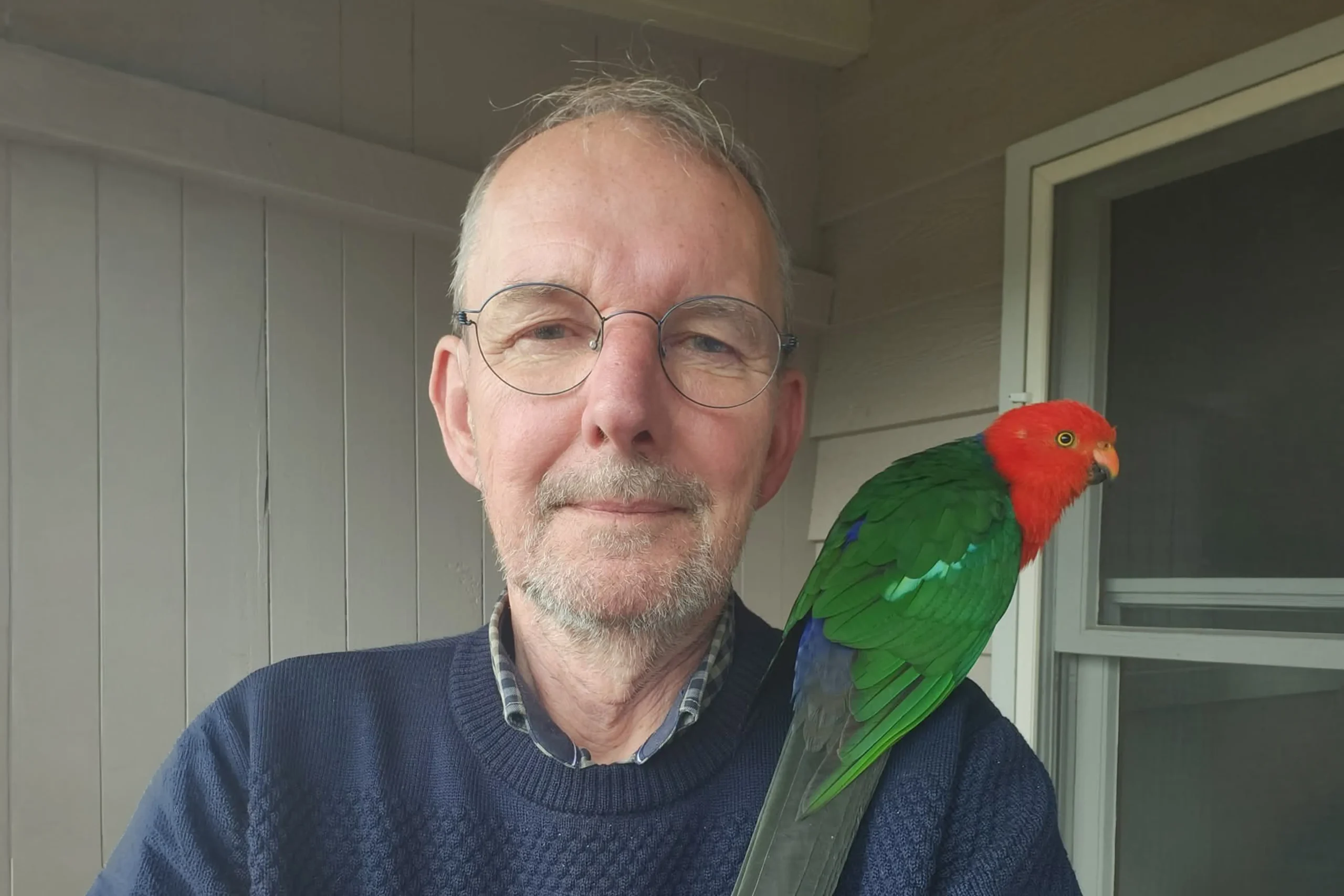
Country : Denmark
Presentation : Breeding biology of the Vasa Parrot in nature and experiences with this unique species under the humane care.
Povl Jørgensen is an information specialist from the Royal Library/University Library in Copenhagen (recently retired), where he worked within the fields of medicine and science.
He is the author of one book and has translated and edited 15 books on aviculture and poultry from Swedish, German and English. He serves as editor of the Danish avicultural magazine Dansk Fuglehold and has published numerous articles on parrots in international journals including AwiParrots, Novà Exota, Parrot Society of Australia News, Papageien, and others.
Within the Danish Avicultural Society, Povl Jørgensen acts as CITES advisor, veterinary issues advisor, and liaison to national authorities.
He has delivered lectures in Sweden, Norway, Germany, the USA and Australia, and has organised several group expeditions to observe wild parrots in countries such as Australia, Brazil and Peru.
Povl Jørgensen was a member of the Advisory Board of Loro Parque Fundación for more than 20 years. He attended his first International Parrot Convention in 1986 and has participated in every convention since its inception.
He has bred parrots since childhood in the 1960s and has successfully bred more than 100 species — ranging from the smallest Forpus parrotlets and Agapornis to large macaws, including the Blue-throated Macaw. He acquired his first Vasa parrots in 1986, and they have remained a constant presence in his collection ever since.
Several parrot species currently housed at Loro Parque — including Horned Parakeets (Eunymphicus), Concurry Parakeet (Barnardius), Slaty-headed Parakeets (Psittacula) and Coral-billed Pionus (Pionus) — originate from Povl Jørgensen’s breeding lines.
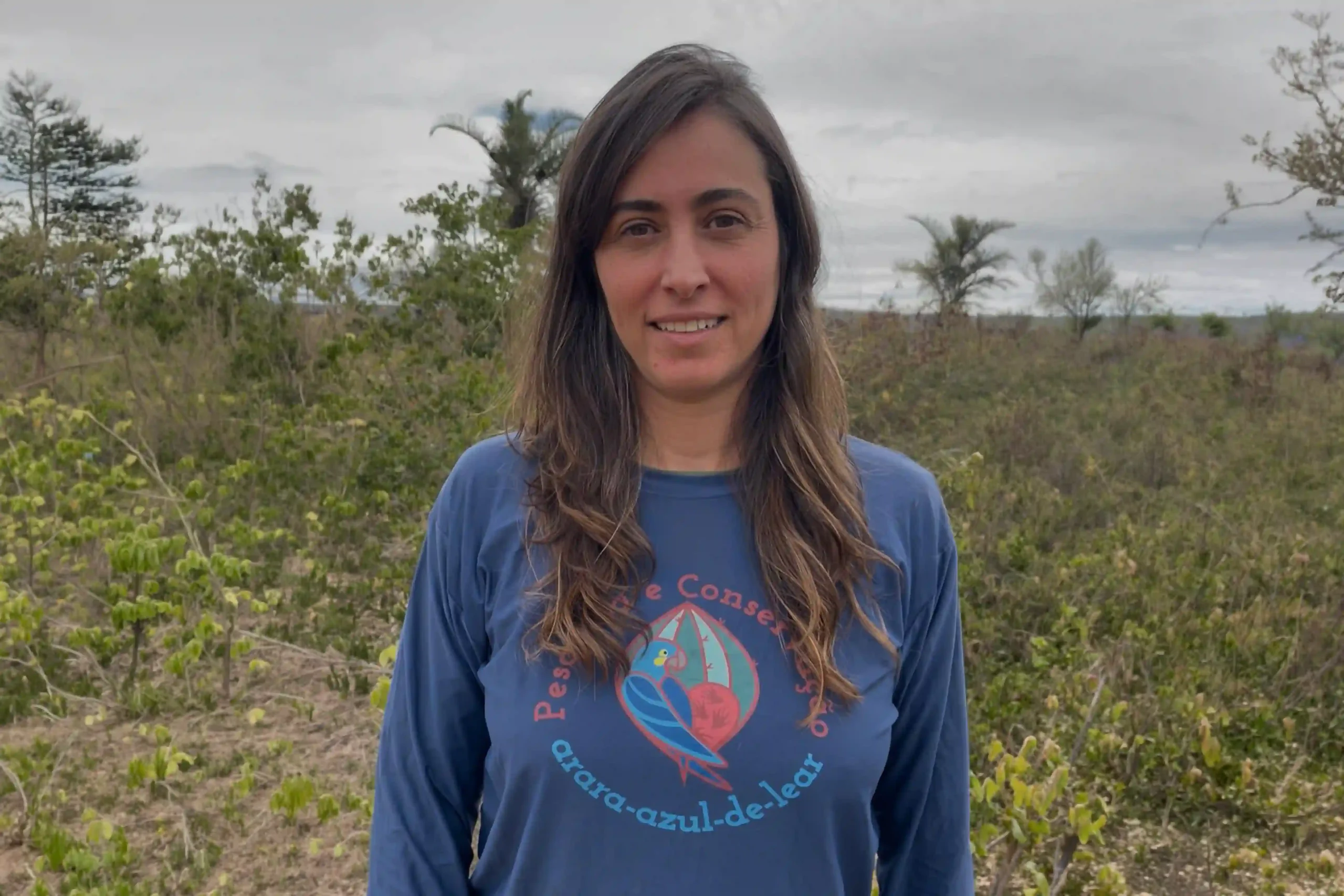
Country : Brazil
Presentation : Reintroduction of the Lear’s Macaw: a global example in in-situ and ex-situ conservation
PhD. Erica C. Pacífico is a Brazilian conservation biologist whose work has been instrumental in preventing the extinction of the critically endangered Lear’s Macaw. For nearly two decades, since 2008, she has combined rigorous field research, population management, and community-based conservation to recover one of the world’s rarest parrots in the semi-arid Caatinga of northeastern Brazil.
Her conservation approach integrates science and action. Through extensive fieldwork, she has monitored wild populations, investigated key threats and led innovative reintroduction and refaunation initiatives in the Boqueirão da Onça region. Her work has helped transform the Lear’s macaw from a species on the brink of extinction into a global example of successful species recovery.
As a researcher and conservation leader, Erica has built partnerships among local communities, government agencies, universities, NGOs, and zoological institutions worldwide. Her efforts have advanced from natural history to the use of molecular ecology tools, telemetry, and evidence-based management to support long-term population viability and ecosystem restoration.
Beyond species conservation, Erica is committed to developing the next generation of conservation professionals. She actively mentors students and early-career researchers, with a particular emphasis on increasing opportunities for women in field biology and conservation science. Through training, outreach, and collaborative research, she engaged a diverse and inclusive field team to fight for the Lear’s macaw conservation.
Her vision extends beyond saving a single species: she seeks to restore ecological processes, strengthen local stewardship of biodiversity, and demonstrate how science-driven conservation can generate lasting benefits for both wildlife and people. Today, Erica is recognized as one of the leading voices in the conservation of threatened parrots and the Biodiversity restoration of Brazil’s unique Caatinga Tropical dry-forest ecosystem.